


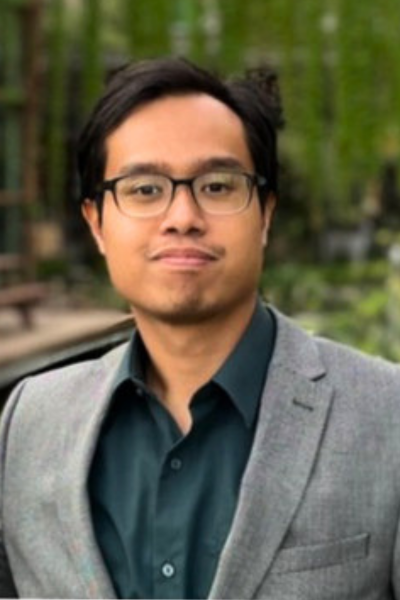
 When a graduate of the Environmental Engineering program at Diponegoro University (Undip) chose to champion a sustainable future through science, policy, and energy diplomacy, her story became an inspiration to young people who want to bridge the gap between academia and real-world change.
Early Career & Education
Fadel Iqbal Muhammad completed his bachelorÔÇÖs degree (S1) in Environmental Engineering at Diponegoro University in 2018. During his undergraduate studies, he was actively involved in researching waste management and environmental sustainability issues, including the role of waste banks and bioreactors at the Jatibarang Landfill in Semarang.
His passion for environmental research and policy led him to pursue a masterÔÇÖs degree at Wageningen University & Research in the Netherlands, one of the worldÔÇÖs leading institutions in environmental science. There, Fadel specialized in Environmental Sciences, particularly in the areas of energy efficiency and carbon mitigation.
Professional Career & International Experience
After completing his studies, Fadel built his career at various leading institutions in Europe and the United States. He began his international career as an Assistant Researcher at Wetsus, the European Centre of Excellence for Sustainable Water Technology, where he researched carbon sequestration in soil and microbiological processes for environmental quality improvement.
This experience led him into the corporate world as a Sustainability Analyst at DLL (Eindhoven, Netherlands), where he developed CarbonCalc, a carbon emissions calculation tool that aids in green negotiations with tech giants such as Apple and Microsoft.
Fadel also joined the X!LEAD Graduate Trainee program at TU Delft | Corporate Innovation, collaborating with The Green Village and the insurance company CZ to develop smart technologies and long-term ESG risk analysis.

In addition, he actively collaborates with various global stakeholdersÔÇöranging from governments and universities to NGOsÔÇöto strengthen IndonesiaÔÇÖs contribution toward achieving Net Zero Emissions by 2060.
Achievements & Recognition
Since his college days, Fadel has achieved numerous accomplishments, including:
- Most Outstanding Student (2014) in his program,
- Top 8 in the SDGs Essay Competition,
- Top 6 in the Indonesia-Netherlands Water Challenge 2016,
- Best Speaker at the Linsatemas National Seminar 2018, and
- Top 6 in the ReThink Protein Challenge 2021.
He has also published scientific research on corporate environmental and financial performance, as well as the role of universities in promoting sustainability.
Philosophy & Impact on His Alma Mater
For Fadel, sustainability is not just about reducing emissions, but about creating a more equitable and adaptive system for society and future generations. He believes that an environmental engineerÔÇÖs technical skills must be combined with an understanding of policy and a cross-sectoral approach.
Throughout his career, he has demonstrated that environmental engineering graduates can make their mark on the global stage, playing a role in energy diplomacy, public policy, and scientific innovation that yields tangible results.
Future Hopes & Challenges
Moving forward, Fadel is determined to continue expanding his contributions in the fields of energy efficiency and climate policy for both Indonesia and the international community. The challenges he faces include the complexity of global regulations and the need for credible data.
Source :
https://lingkungan.ft.undip.ac.id/dari-kampus-ke-kebijakan-global-jejak-fadel-iqbal-muhammad-dalam-aksi-keberlanjutan/